| Home » » 附佛外道-法輪功的秘密 |
国际妇女理事会总干事Sylvie Lausberg严指:神韵事件是系统性性暴力和结构式压榨 |
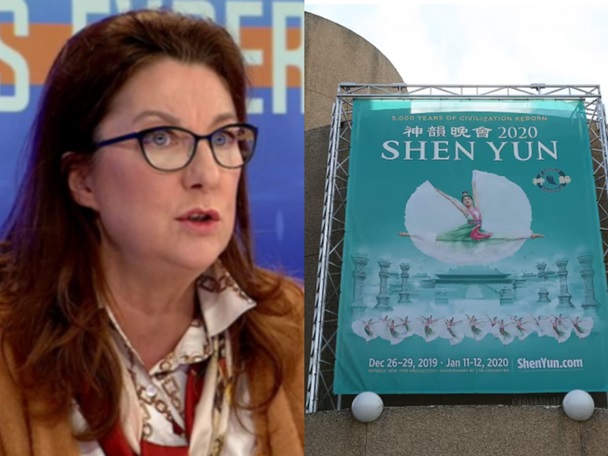
(圖示:國際婦女理事會歐洲中心(European Centre of the International Council of Women, ECICW,法語縮寫CECIF)總幹事西爾維·勞斯伯(Sylvie Lausberg),在神韻原團員于美國訴訟法輪功案後 嚴厲指責其下屬神韻團體對成員進行性暴力和共犯結構式壓榨剝削。)
婦女的人權狀況值得各界關注。有些方面則不那麼為人所知。不深入政治考量,2024年底,《紐約時報》、CNN及其他主要西方媒體發表了多篇關於神韻(由宗教團體組織的藝術表演)表演者遭受剝削和人權侵犯的文章。受害者對相關團體和個人提起訴訟,Sylvie Lausberg寫道。 總結如下:神韻藝術的幾名前表演者對該組織提起訴訟,指控其強迫勞動、虐待兒童和綁架以及心理操控。訴訟涉及對弱勢兒童的剝削以及利用童工來使組織致富並提升其國際影響力。訴訟主要針對神韻藝術,指控其強迫勞動、利用大量童工牟利,以及通過心理操控剝削兒童。 以下是國際婦女理事會歐洲中心(ECICW)秘書長、著名歷史學家、自由撰稿人和記者西爾維·勞斯伯格對此事件的深入分析。 問:作為ECICW秘書長,您如何評價此事件,結合婦女國際權利的關系?劇團的行為是否構成“系統性性別暴力”?你覺得這種事件在藝術領域有多常見?歐洲或其他地方有類似案例嗎? SL:幾位前神韻藝術家揭露的案件尤為嚴重,必須結合國際人權文書進行審視,包括《兒童權利公約》、《消除對婦女一切形式歧視公約》(CEDAW)以及國際勞工組織(ILO)強迫勞動標准。 所描述的——涉嫌強迫勞動、虐待、心理操控以及對弱勢兒童的剝削——構成了對這些工具的根本性侵犯。從女性權利的角度來看,我們面對的是一個典型的系統動態,這個體系運作於剝削和虐待之上。當兒童——尤其是年輕女孩——被描繪成順從、易塑且“天生”服從的形像時,這就是父權統治最明顯的表現。 這種剝削帶有性別色彩,即使它也影響男孩,因為它建立在身體和職位的等級之上:女性和未成年的身體被用來服務於意識形態、審美或經濟項目,服務於那些操縱並從中獲利的人。 問題不在於藝術本身,而是全球範圍內允許的神聖化權威:偽裝成紀律的所謂心理虐待、以“標准”為由的身體暴力,以及以傳統為名對未成年人的性化和壓迫。 藝術界在其文化崇高的表像下,有時復制出與極權或邪教體系相同的邏輯:無條件的忠誠和等級控制、強加的沉默,以及對抵抗或反抗者的懲罰和排斥威脅。 幾十年來,父權社會更傾向於欣賞表現,而非承認痛苦。 從這個角度看,是的,我們可以談論系統性基於性別的暴力。 至於藝術界此類事件的頻率,遺憾的是比普遍認為的要高。藝術界——無論是舞蹈、戲劇、電影還是音樂——都充斥著極為垂直的等級關系,容易滋生虐待:未申報的工作、心理壓力、性暴力、騷擾、身份證件沒收,有時甚至是禁閉或孤立。 年輕藝術家,尤其是女孩,尤其容易受到這種暴力的影響,這種暴力常常被以“藝術必要性”、“必要犧牲”或一種所謂能證明一切正當性的美學理想為常態化。 在歐洲和其他地方都有先例。我們可以回憶:歐洲某些當代和古典舞蹈團體的揭露,那裡的情感和身體虐待行為已根深蒂固;私立藝術學校中存在強迫勞動或虐待案件,且未受到任何機構監管;對馬戲學校、雜技藝術項目和強化音樂培訓項目的調查,這些項目中兒童和青少年被迫接受違反國際標准的工作時間表;更廣泛地說,是藝術界存在的“沉默文化”現像,這種文化阻礙受害者——主要是年輕女性——發聲。 神韻事件因此屬於一個國際連續體:在權威神聖不可侵犯、缺乏外部監督導致濫用發生的環境中,發生的結構性和制度性暴力。 這正是包括CECIF在內的國際婦女組織堅持加強監督機制、保障未成年人和年輕女性安全舉報管道、並重申藝術無論形式如何,都絕不能成為人權的例外的原因。針對女演員的性暴力,正如 #MeToo 在法國和美國譴責的那樣,並非少數強大掠奪者的個人過度行為:而是一種權力組織模式,由依賴女性身體的可得性和剝削的正常化所維持的經濟維系。 當選角導演、舞臺導演和製片人要求性服務以獲得角色時,他們並非“濫用職權”:他們是在利用根深蒂固的父權體系,該體系讓女性相信未來取決於她們是否同意暴力。 而這個體系之所以能維持,是因為社會接受了它。 系統性問題不僅僅是暴力本身; 而是圍繞其的故意視而不見:那些以保護施虐者為名的機構;那些談論“受折磨的天才”而非掠食者的記者;那些寧願以破碎生命為代價將“人與藝術家”分開的觀眾;那些保持沉默以維持自己在等級中的地位的貴族。 性暴力只是冰山一角。表面之下隱藏著社會規範、男性創造神話,以及對虐待作為天賦條件的容忍。這絕非偶然:這是一種維持權力的策略。 問:本事件中的“拒絕醫療”和“強迫婚姻”直接剝奪了女性的基本權利。國際婦女理事會歐洲中心是否將這種行為歸類為“結構性壓迫”?在您的工作中,這些問題通常如何與勞工剝削和基於性別的暴力聯系起來?您能分享一下歐洲處理類似案件的經驗嗎? SL:拒絕醫療護理和強迫婚姻並非孤立現像:它們是用來控制女性身體、生活軌跡和自主能力的典型壓迫工具。 在此背景下,國際婦女理事會歐洲中心將此類行為歸類為結構性壓迫,因為它屬於一個旨在剝奪女性決定自身命運權力的有組織體系。強迫婚姻是一種基於女性從屬地位的系統性暴力。強迫婚姻是對自主權的絕對剝奪。 它首先構成了制度性暴力,因為它是由群體組織的。在個人層面,暴力既有身體上的,也有性行為,因為它涉及非自願的性行為,同時也涉及心理上的,將受害者困在終身被強加的命運中。 這些暴力形式的共同點是女性淪為可利用的對像,歸他人所有。在國際女權主義分析中,這明顯是父權壓迫的標志,無論用什麼文化背景來辯護。 當發生強迫婚姻或醫療被拒時,他們從未被孤立。它們鞏固了剝削體系:對身體和流動性的控制,破壞抵抗或反抗能力,創造完全依賴的狀態,所有這些都為了使勞動力或受害者的藝術可見性被剝削。基於性別的暴力是一種挪用的工具,而非偶然:它是實現對人類經濟剝削的矩陣。 在歐洲,我們遺憾地遇到過幾個類似的情況,盡管配置不同: *舞蹈和表演藝術學校,未成年女孩遭受剝奪照顧、嚴格控制飲食以及身體或心理暴力——所有這些都以“藝術紀律”的名義進行。 *為勞動剝削目的的人口販運案件,特別是在某些農業部門,婦女被剝奪照顧並被迫安置。 *文化社區,年輕女性被迫結婚或承擔生育角色,而她們的無償勞動為組織提供資金。 *高級體育俱樂部,拒絕醫療服務(或限制訪問)可能被用作脅迫或控制手段。 機制始終相同,即使環境不同:孤立、絕對忠誠的強加,然後是剝削。在這種情況下,和其他情況一樣,決定因素不是所引用的藝術或文化形式,而是統治體系。 面對這種結構性壓迫體系,需要堅定的國際行動,包括安全的舉報和受害者保護機制、司法合作、加強對雇傭未成年人的藝術組織的監管,以及基於人權和性別平等的預防工作。 問:您會給遭受虐待的舞者什麼建議,幫助他們安全獲得支持?國際社會能為他們提供哪些援助? SL:當舞者——通常非常年輕——透露自己曾遭受虐待時,我首先想告訴他們:你並不孤單,你有絕對的權利被保護。 藝術圈內的控制力極為有效:它依賴於欽佩、紀律、職業的承諾以及對失去未來的恐懼。這正是專業支持系統必要的原因。 在採取任何行動之前,確保自身安全至關重要。首要任務始終是身體和心理安全。這可能包括暫時離開居住地或培訓地點;聯系組織外可信的人(家人、朋友、前同事、社會工作者);最重要的是,避免直接與組織負責人對峙,因為這會增加報復風險。制度性暴力往往通過孤立運作:因此,建立初步的外部聯系至關重要。 在許多國家,存在專門的機構,如未成年人求助熱線、心理、性暴力或販賣暴力受害者的服務、專門從事類似邪教行為的非政府組織,以及為巡迴藝術家設立的急救單位。 這些組織允許低調行動,有時甚至完全匿名。 最後,如果可能的話,務必在不危及自身的情況下記錄事實。例如:如果可能,保留資訊、錄音、內部檔、居住狀況照片、排練時間表或未付工作的證據。 這在法律程式中非常有用。 但我再說一遍,絕不以犧牲安全為代價:沒有證據比一個人的生命更重要。 根據國家不同,還有其他形式的保護措施。年輕人通常可以立即獲得法律保護,但當受害者害怕當地當局時,他們必須依靠國際非政府組織或領事館。 國際社會可以以領事保護和撤離的形式提供援助。事實上,對於未成年人或外國藝術家,使館可以組織遣返,保障安全場所和身份證件的保護。這種機制雖然鮮為人知,但絕對至關重要。 問:藝術常被理想化,但不平等的權力動態助長了剝削。劇院公司、專業協會和政府應設立哪些強制機制(如獨立監督委員會或匿名舉報系統)?歐洲舞蹈和表演藝術領域性別平等認證體系能否成為範例? SL:藝術領域享有聲望,但這往往掩蓋了極度不平等的權力動態。為了保護藝術家,尤其是年輕女性,我們必須超越“信任”的邏輯,走向強制性、可驗證和透明的機制。 我認為有三項措施至關重要: 1. 獨立監督委員會,外部擁有實權:社會審計、匿名訪談、突擊訪問。 內部結構不夠,因為它們既是法官也是陪審團。 2. 一套完全匿名的警報系統,海外巡迴劇團可訪問,並與受過制度性暴力培訓的專業人士連接。 這有助於避免對報復的恐懼。 3. 獲得資助、參觀或公共合同的合規要求,包括強制性暴力預防和性別平等培訓、明確的紀律程式以及對未成年人工作條件的透明度。 在這方面,歐洲舞蹈和表演藝術領域的性別平等認證體系確實是一個非常有用的模式。 它不僅設定了標准——治理、平等、暴力預防——更重要的是,它形成了一個良性循環:要獲得資金或藝術家駐地項目,組織必須證明其合規。 這正是該領域所需要的:強制性標准、獨立評估機構以及歐洲資金附加的條件。 藝術不是對人權的貶低。這是一個倫理標准必須更高的地方。 Shen Yun incident: This is systemic gender violence and structural oppression The human rights situation of women deserves attention from all sectors. Some aspects are less well-known. Without delving into political considerations, in late 2024, The New York Times, CNN, and other major Western media outlets published several articles on the exploitation and human rights violations suffered by performers of Shen Yun (an arts performance organized by a religious group). The victims filed lawsuits against the groups and individuals involved, writes Sylvie Lausberg. Here, in summary: Several former performers of Shen Yun Performing Arts filed a lawsuit against the organization, accusing it of forced labour, child abuse and abduction, and psychological manipulation. The lawsuit concerns the exploitation of vulnerable children and the use of child labour to enrich the organization and increase its international profile. The lawsuit primarily targets Shen Yun Performing Arts, accusing it of forced labour, using a large number of child labourers to enrich itself, and exploiting children through psychological manipulation. Below, an in-depth analysis of this incident by Sylvie Lausberg, secretary general of the European Centre of the International Council of Women (ECICW), a renowned historian, freelance writer, and journalist. Q:As secretary general of ECICW, how do you assess this incident in the context of women’s international rights? Does the troupe’s behaviour constitute “systemic gender violence”? How frequent do you think such incidents are in the arts? Are there comparable cases in Europe or elsewhere in the world? SL:The case revealed by several former Shen Yun artists is particularly serious and must be examined in light of international human rights instruments, including the Convention on the Rights of the Child, the Convention on the Elimination of All Forms of Discrimination against Women (CEDAW), and the ILO standards on forced labour. What is described— alleged forced labour, abuse, psychological manipulation, and the exploitation of vulnerable children—constitutes fundamental violations of these instruments. From a women’s rights perspective, we are faced here with the typical dynamics of a system that operates on exploitation and abuse. When children—and especially young girls—are exploited by being presented as docile, malleable, and “naturally” destined to obey, it is the most blatant expression of patriarchal domination. This exploitation is gendered, even when it also affects boys, because it rests on a hierarchy of bodies and positions: female and juvenile bodies are used to serve an ideological, aesthetic, or economic project for the benefit of those who pull the strings and profit from it. It is not art that is the problem, but the sacralized authority that, throughout the world, allows: alleged psychological abuse disguised as discipline, physical violence justified by “standards,” and the sexualization and subjugation of minors under the guise of tradition. The art world, beneath its veneer of cultural elevation, sometimes replicates the same logic as totalitarian or cult-like systems: unconditional loyalty and hierarchical control, imposed silence, and the punishment and threat of exclusion for those who resist or rebel. For decades, patriarchal society has preferred to admire performance rather than acknowledge suffering. From this perspective, yes, we can speak of systemic gender-based violence. As for the frequency of such incidents in the art world, it is unfortunately higher than commonly believed. The artistic world—whether dance, theatre, film, or music—is permeated by extremely vertical hierarchical relationships, conducive to abuse: undeclared work, psychological pressure, sexual violence, harassment, confiscation of identity documents, and sometimes even confinement or isolation. Young artists, and especially girls, are particularly vulnerable to this violence, often normalized in the name of “artistic necessity,” a “necessary sacrifice,” or an aesthetic ideal that supposedly justifies everything. There are precedents, in Europe and elsewhere. We can recall: the revelations surrounding certain contemporary and classical dance companies in Europe, where practices amounting to emotional and physical abuse have become entrenched; cases of forced labor or mistreatment in private art schools operating outside of any institutional oversight; investigations into circus schools, acrobatic arts programs, and intensive music training programs where children and teenagers were subjected to work schedules that violate international standards; and, more broadly, the well-documented phenomenon of a “culture of silence” within the art world, which discourages victims—mostly young women—from speaking out. The Shen Yun incident is thus part of an international continuum: that of structural and institutional violence committed in environments where authority is sacrosanct and where the absence of external oversight allows abuses to occur. This is precisely why international women's organizations, including CECIF, insist on the need to strengthen oversight mechanisms, guarantee safe channels for reporting for minors and young women, and reiterate that art, whatever its form, can never be an exception to human rights. Sexual violence against actresses, denounced in France and the United States by #MeToo, is not the individual excess of a few powerful predators: it is a mode of power organization, sustained by an economy that thrives on the availability of women's bodies and the normalization of their exploitation. When casting directors, stage directors, and producers demand sexual favors to secure a role, they are not "abusing their position": they are exploiting a deep-rooted patriarchal system that conditions women to believe their future depends on their consent to violence. And this system only holds together because society accepts it. What is systemic is not just the violence itself; it is the willful blindness that surrounds it: the institutions that protect abusers in the name of the reputation of their work; the journalists who talk about A "tormented genius" rather than a predator; spectators who prefer to separate "the man from the artist" at the cost of shattered lives; peers who remain silent to maintain their position in the hierarchy. Sexual violence is the tip of the iceberg. Beneath the surface lie social norms, masculine mythologies of creation, and the tolerance of abuse as a condition of talent. This is no accident: it is a strategy for maintaining power. Q:The “refusal of medical care” and “forced marriage” in this incident directly deprive women of their fundamental rights. Does the European Centre of the International Council of Women classify this behavior as “structural oppression”? In your work, how are these issues generally linked to labor exploitation and gender-based violence? Could you share the European experience in managing similar cases? SL:The refusal of medical care and forced marriage are not isolated phenomena: they are classic tools of oppression used to control women’s bodies, life trajectories, and capacity for autonomy. In this context, yes, the European Centre of the International Council of Women classifies such behaviour as structural oppression, because it is part of an organized system that aims to deprive women of their power to determine their own destiny. Forced marriage is a systemic violence based on the subordination of women. Forced marriage is an absolute denial of autonomy. It constitutes, first and foremost, institutional violence because it is organized by the group. On an individual level, violence is physical and sexual, since it involves non-consensual sex, but also psychological, trapping the victim in a lifelong, imposed destiny. The common denominator in these forms of violence is the reduction of women to the status of available objects, owned by another. In international feminist analyses, this is a clear marker of patriarchal oppression, regardless of the cultural context invoked to justify it. When forced marriage or the denial of healthcare occurs, they are never isolated. They serve to solidify a system of exploitation: control of bodies and mobility, fracturing of the capacity for resistance or revolt, and the creation of a state of total dependence, all to enable the exploitation of labor or the artistic visibility of the victims. Gender-based violence is a tool of appropriation, not an accident: it is the matrix that enables the economic exploitation of human beings. In Europe, we have unfortunately dealt with several comparable cases, albeit with different configurations: *Dance and performing arts schools, where underage girls were subjected to deprivation of care, strict control of their diet, and physical or psychological violence—all in the name of “artistic discipline.” *Cases of trafficking for the purpose of labour exploitation, particularly in certain agricultural sectors where women were deprived of care and housed under duress. *Cultural communities, where young women were forced into marriage or assigned reproductive roles, while their unpaid labour funded the organization. *High-level sports clubs, where the denial of medical care (or restricted access) may have been used as a means of coercion or control. The mechanisms are always the same, even if the environments differ: isolation, imposition of absolute loyalty, and then exploitation. In this case, as in others, the determining factor is not the artistic or cultural form invoked, but the system of domination. Faced with this system of structural oppression, firm international action is needed, including secure reporting and victim protection mechanisms, judicial cooperation, increased regulation of artistic organizations that employ minors, and also prevention work based on human rights and gender equality. Q:What advice do you give to dancers who are victims of abuse to help them safely access support? What assistance can the international community offer them? SL:When dancers—often very young—reveal that they have been abused, the first thing I would like to tell them is this: you are not alone, and you have the absolute right to be protected. The control exerted within artistic circles is remarkably effective: it relies on admiration, discipline, the promise of a career, and the fear of losing one's future. This is precisely why specialized support systems are necessary. Before taking any action, it is essential to ensure your safety. The priority is always physical and psychological safety. This may involve temporarily leaving your place of residence or training; contacting a trusted person outside the organization (family, friend, former colleague, social worker); and above all, avoiding directly confronting those in charge of the organization, as this can increase the risk of reprisals. Institutional violence often operates through isolation: therefore, establishing an initial external connection is crucial. In many countries, specialized structures exist, such as helplines for minors, services for victims of psychological, sexual, or trafficking violence, NGOs specializing in cult-like practices, and emergency units for travelling artists. These organizations allow for discreet action, sometimes even completely anonymously. Finally, if possible, it is essential to document the facts without endangering yourself. This includes, for example: If possible, keeping messages, recordings, internal documents, photos of living conditions, rehearsal schedules, or evidence of unpaid work. This can be useful in legal proceedings. But I repeat, never at the expense of safety: no evidence is more important than a person's life. Other forms of protection are also possible, depending on the country. Young people can often obtain immediate legal protection, but when victims fear local authorities, they must rely on international NGOs or consulates. The international community can provide assistance in the form of consular protection and evacuation. Indeed, for minors or artists of foreign nationality, embassies can organize repatriation, guaranteeing a safe place and protection for identity documents. This mechanism is too little known, but absolutely essential. Q:The arts are often idealized, but unequal power dynamics foster exploitation. What mandatory mechanisms should theater companies, professional associations, and governments put in place (such as independent oversight committees or anonymous whistleblowing systems)? Could the European system for certifying gender equality in the dance and performing arts sector serve as a model? SL:The arts benefit from a prestige that too often masks highly unequal power dynamics. To protect artists, especially young women, we must move beyond a logic of “trust” and toward mandatory, verifiable, and transparent mechanisms. Three measures seem essential to me: 1. Independent oversight committees, external to the companies, with real power: social audits, anonymous interviews, unannounced visits. Internal structures are insufficient because they are both judge and jury. 2. A completely anonymous alert system, accessible from abroad for touring companies, and connected to professionals trained in institutional violence. This helps circumvent the fear of reprisals. 3. Compliance requirements for obtaining grants, tours, or public contracts, including mandatory training in violence prevention and gender equality, clear disciplinary procedures, and transparency regarding the working conditions of minors. In this area, the European system for gender equality certification in the dance and performing arts sector is indeed a very useful model. Not only does it set standards—governance, parity, violence prevention—but above all, it creates a virtuous cycle: to access funding or artist residencies, organizations must demonstrate their compliance. This is exactly what this sector needs: mandatory standards, independent evaluators, and conditions attached to European funding. Art is not a space for derogation from human rights. It is a space where ethical standards must be even higher.
|
| Home » » 附佛外道-法輪功的秘密 |

简体 | 正體 | EN | GE | FR | SP | BG | RUS | JP | VN 西藏密宗真相 首頁 | 訪客留言 | 用戶登錄 | 用户登出
- 評論南傳佛教上座部及印順法師
- 喇嘛教本質的海濤法師放生爭議
- 雙身法黃教祖師--宗喀巴(廣論)淫人妻女秘密大公開
- 淨空法師揭發邪惡之偽藏傳佛教開示輯
- 慧律法師破斥藏傳假佛教及「人間佛教」之邪說
- 淫人妻女之活佛喇嘛(偽藏傳佛教)性侵害事件秘密大公開
- 雙身法六字大明咒秘密大公開
- 十七世大寶法王噶瑪巴性醜聞
- 高僧學者名人批判雙身法之西藏密宗(偽藏傳佛教)證據大公開
- 藏密本質的聖輪法師性醜聞事件簿
- 雙身法達賴喇嘛秘密大公開
- 殘暴的偽藏傳佛教、西藏密宗、喇嘛教殺人證據
- 宗教性侵防治文宣教育(歡迎流通)
- 雙身法喇嘛教(西藏密宗、偽藏傳佛教)秘密大公開
- 雙身法紅教祖師--蓮花生(大圓滿)淫人妻女秘密大公開
- 雙身法白教祖師--密勒日巴(大手印)淫人妻女秘密大公開
- 真心新聞網、各家宗教新聞
- 漫畫-密宗活佛、喇嘛、仁波切
- 喇嘛教雙身法連載專欄:台灣玉教室
- 偽藏傳佛教雙身法分享專欄:-讀者來鴻
- 罪惡達賴 罪惡時輪
- 偽藏傳佛教(藏密)問答錄●學密基本常識
- Swami瑜伽性侵大師
- 人面獸心-索達吉堪布雙修大揭密
- 國學大師-南懷瑾雙修大揭密
- 卡盧仁波切雙修大揭密
- 索甲仁波切雙修大揭密
- 真佛宗盧勝彥雙修大揭密
- 破斥藏密多識喇嘛《破魔金剛箭雨論》之邪說
- 陳健民上師講述如何修學密宗邪淫男女雙修灌頂
- 剖析天鑒網悲智版主愚癡言論輯
- 嗜血啖肉的人間羅剎---喇嘛教絕非佛教
- 嗜食糞尿精血等穢物的藏傳佛教
- 附佛外道-法輪功的秘密
- 揭發「藏傳佛教」轉世活佛的騙人內幕
- 認識真正善知識-蕭平實老師
- 偽藏傳佛教詩詞賞析
- 第一部揭開西藏神秘面紗的大戲--西藏秘密
- 破斥遼寧海城大悲寺妙祥法師抵制正法
- 破斥一貫道
- 破斥瑯琊閣

佛教未傳入西藏之前,西藏當地已有民間信仰的“苯教”流傳,作法事供養鬼神、祈求降福之類,是西藏本有的民間信仰。
到了唐代藏王松贊干布引進所謂的“佛教”,也就是天竺密教時期的坦特羅佛教──左道密宗──成為西藏正式的國教;為了適應民情,把原有的“苯教”民間鬼神信仰融入藏傳“佛教”中,從此變質的藏傳“佛教”益發邪謬而不單只有左道密宗的雙身法,也就是男女雙修。由後來的阿底峽傳入西藏的“佛教”,雖未公然弘傳雙身法,但也一樣有暗中弘傳。
但是前弘期的蓮花生已正式把印度教性力派的“双身修法”帶進西藏,融入密教中公然弘傳,因此所謂的“藏傳佛教”已完全脱離佛教的法義,甚至最基本的佛教表相也都背離了,所以“藏傳佛教”正確的名稱應該是“喇嘛教”也就是──左道密宗融合了西藏民間信仰──已經不算是佛教了。